It feels logical: your back hurts, so you protect it — you sit still, you skip the walk, you cancel anything physical. But the spine is not a hinge you preserve by leaving it alone. It’s living tissue that stiffens, weakens, and loses range precisely when it isn’t asked to move. Rest a stiff joint and it gets stiffer. Stop loading the muscles that hold your spine upright and they get weaker, so the same posture that hurt yesterday hurts more tomorrow.
This is why, across almost every spine condition, the medical advice converges on the same word: move. For inflammatory spondylitis, the UK’s NHS is explicit that physiotherapy and keeping active are a key part of treatment — exercise improves posture and the range of movement in your spine and helps stop it stiffening up. The problem was never that you needed to move. It’s that “just exercise” with no one watching your form, on an inflamed or degenerating spine, is how people hurt themselves and give up for good.
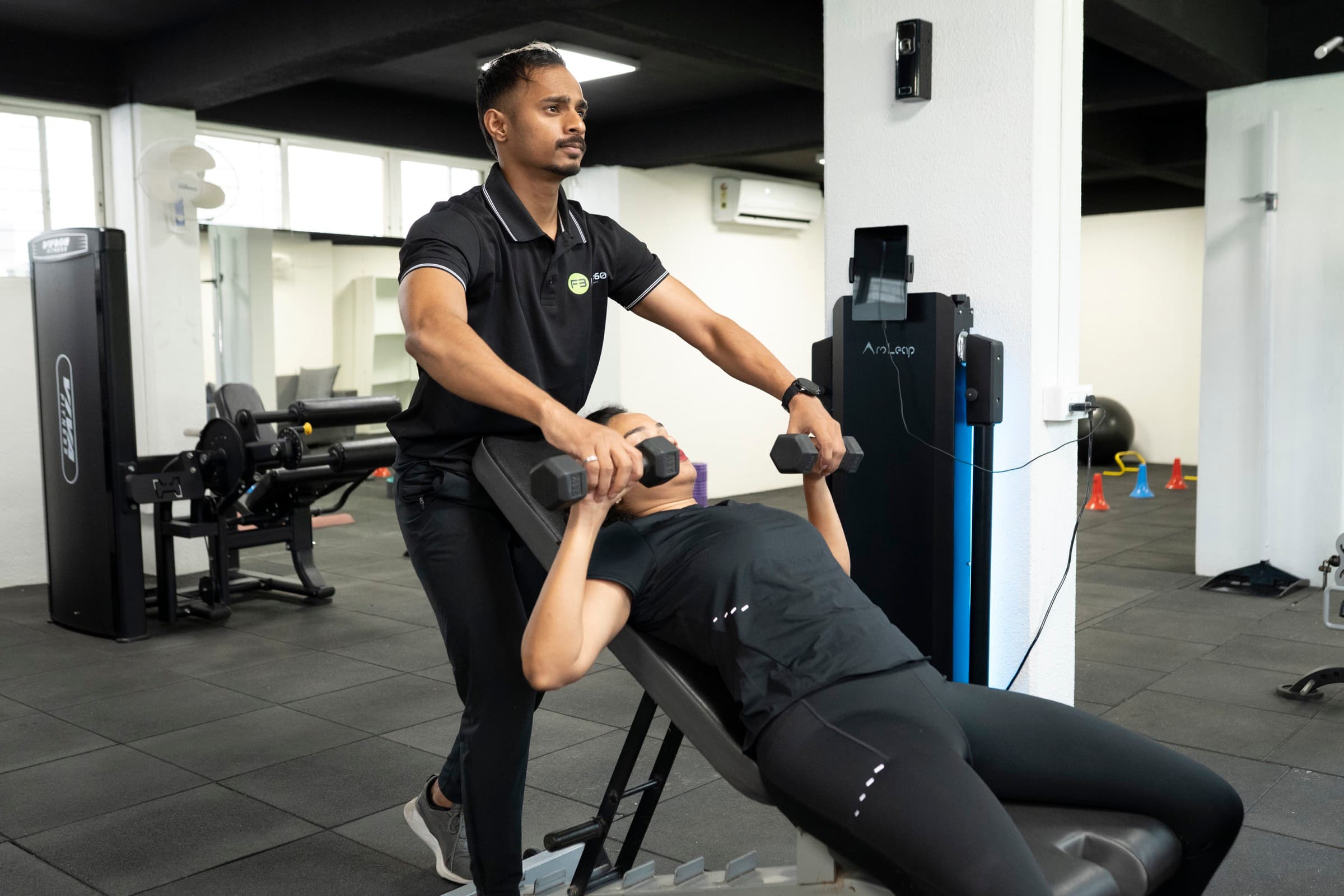
That gap — between “you should move” and “moving safely, with someone who knows your spine” — is the whole reason to work with a mobility coach instead of guessing. Mobility training here isn’t stretching for its own sake; it’s restoring the range your spine has lost, then building the strength to hold it, in an order and at an intensity matched to your exact condition.